Dear Ecom Brand Owner,
Email Marketing Shouldn't Train Customers to Wait for Discounts
Over time, frequent discounts reshape buying behavior. I help ecom founders grow email revenue without relying on constant discounts
What Happens When Email Isn’t Discount-Dependent
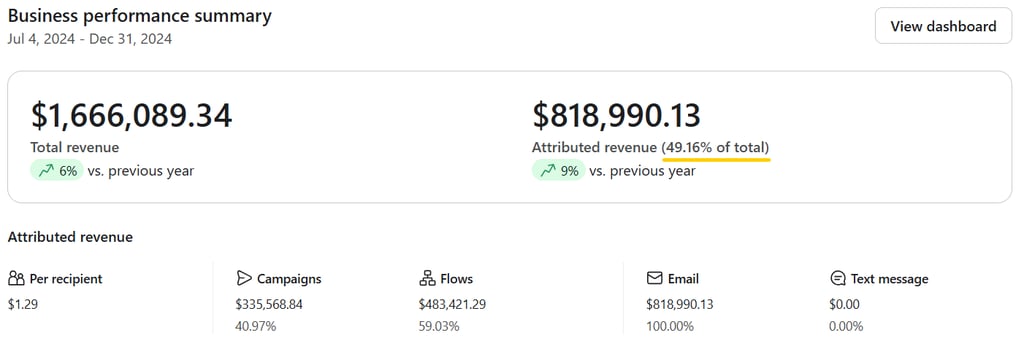
The number highlighted here isn’t meant to impress.
It represents 49.16% of total revenue coming from email without relying on discount-driven pushes.
What mattered more than the percentage was where the revenue came from.
In this case:
Automated flows carried more revenue than campaigns
Performance didn’t spike only during promos
Email continued converting even when discount pressure was removed
This isn’t about sending more emails or finding better subject lines.
It’s what happens when the underlying structure is doing the work, not just the offers.
How to Build Email Revenue That Doesn’t Depend on Discounts
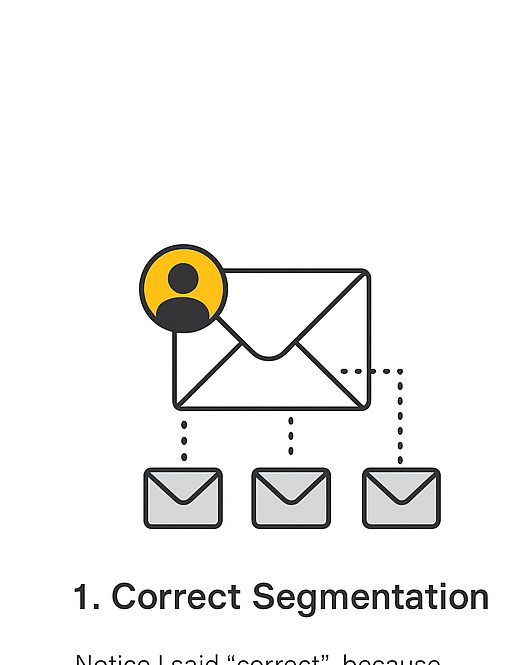
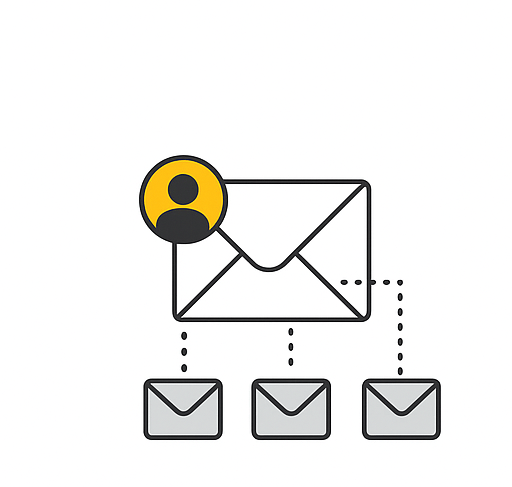
1) Align segmentation with buying intent
Discount dependency often masks a deeper issue: broad messaging.
When everyone gets the same push, promotions become the easiest lever.
Stronger systems segment based on:
Stage of awareness
Purchase history
Engagement behavior
Product interest
The more relevant the message, the less incentive you need.
2) Make flows carry meaningful revenue
If automated flows only convert when incentives are added, campaigns will always need to compensate.
Strong email systems generate revenue from:
Welcome sequences that build conviction
Abandoned flows that handle objections
Post-purchase flows that reinforce value
When flows carry weight, campaigns stop carrying pressure.
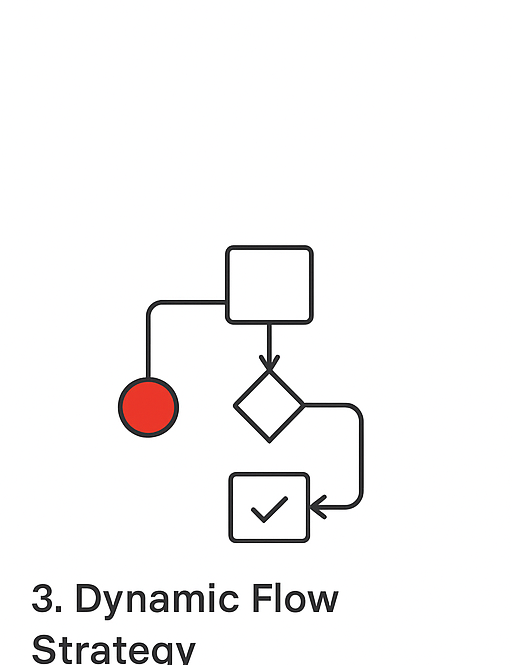
3) Shift from urgency-driven selling to conviction-driven selling
If every campaign relies on countdowns and codes, customers learn to wait.
Email should move buyers because:
The positioning is clear
The value is differentiated
Objections are handled directly
The product feels worth full price
Urgency should amplify demand, not create it.
What Email Looks Like Without Discount Pressure
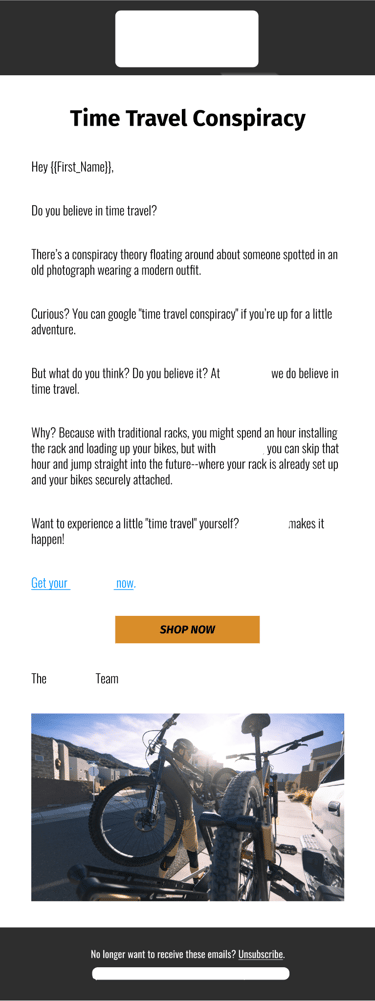

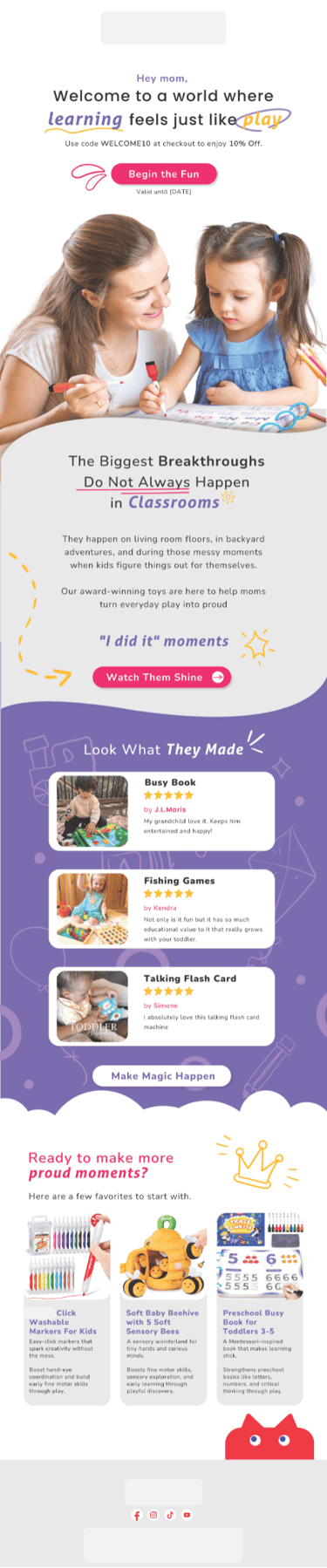
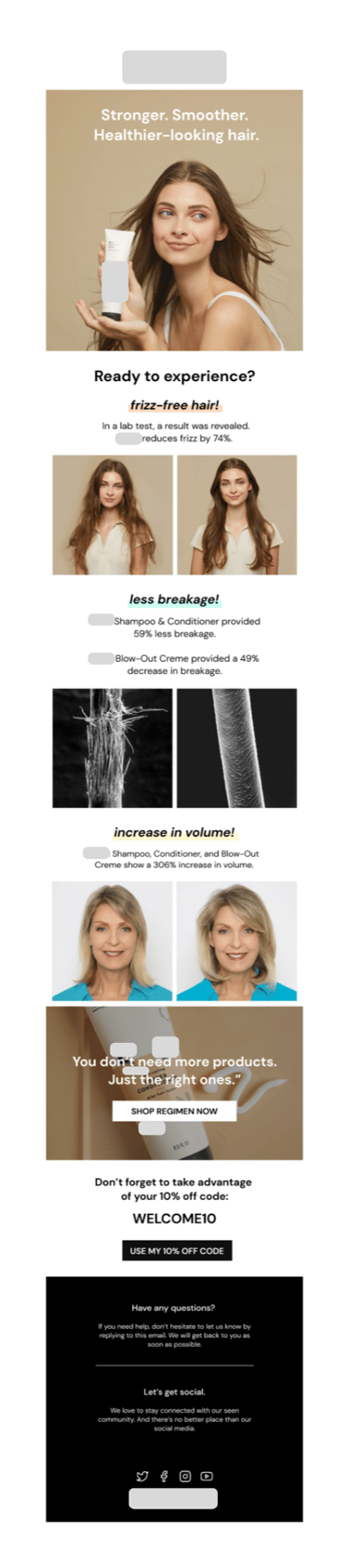
*Certain details have been blurred to respect client confidentiality
Different industries, same principle. Email should sell because it’s clear, not because it’s discounted.
Why Partner with Me?
I don’t work with a large roster of brands at the same time.
That’s intentional.
Most email issues don’t come from a lack of tactics.
They come from structural patterns that only become visible when you step back and look at how everything fits together.
I work with a small number of eCommerce brands so I can understand:
• Where email performance is being carried by structure
• Where it’s being propped up by promotions
• And what’s actually worth fixing first
The goal isn’t to “do more email.”
It’s to build a system that performs with less pressure over time.
A Calm Next Step
If you're thinking long-term about margin and stability, the first step isn’t another campaign.
It’s perspective.
If you’d like a second set of eyes on your email strategy, reach out.
Email or LinkedIn, either works. I’ll respond personally.
Not ready to talk yet? Start with the playbook. It shows exactly how this works.
I’ve spent the past few years working inside ecommerce email programs , writing campaigns, building flows, and supporting brands across different categories.
Over time, a pattern kept showing up.
Email didn’t stop working because teams lacked tactics. It stopped working because more and more pressure was required to get the same result.
-> Promotions became the lever.
-> Campaigns did the heavy lifting.
-> Flows existed, but didn’t always carry weight on their own.
That’s what led me to focus less on “writing more email”, and more on understanding how email performance is actually being produced.
In one case, email went on to drive 49.16% of total revenue, with automated flows outperforming campaigns outside promotional periods.
Today, my role now is simple: help ecommerce teams step back, see what’s really happening inside their email program, and decide what’s actually worth fixing first.


Hey, I'm Bryan
Bryan's ClickLab
helping ecom founders grow email revenue without relying on constant discounts.
The 49% Playbook
© 2025 Bryan’s ClickLab. All rights reserved.